
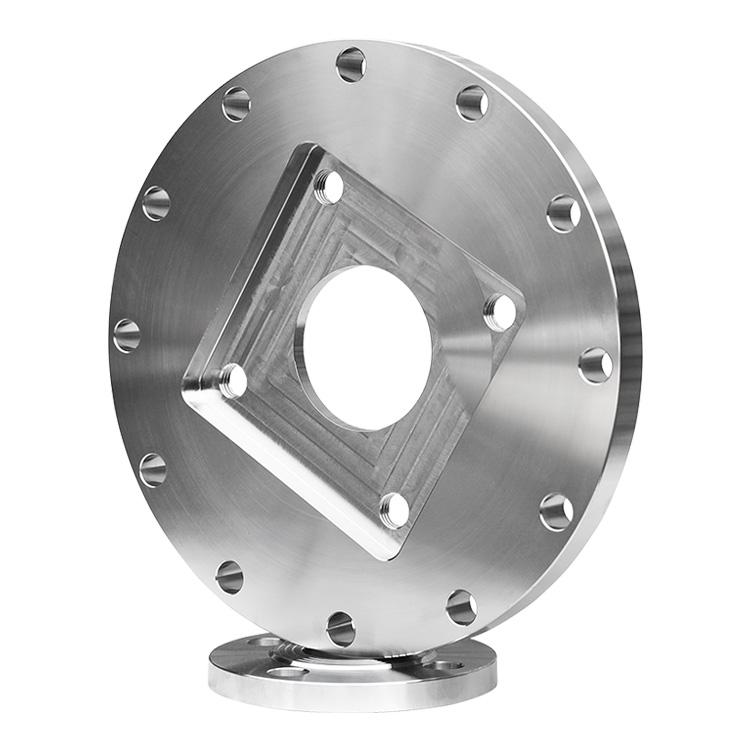
Carbon Steel Standard Flange for Pressure Pipeline Systems is a widely used pipe connection component designed to join pipes, valves, pumps, and other equipment in industrial pressure piping networks. It is valued for its mechanical strength, cost efficiency, pressure resistance, and broad compatibility with standardized pipe systems. In many industries, carbon steel flanges are selected because they provide a dependable sealing interface, simplify installation and maintenance, and support a wide range of operating conditions.
This page provides an SEO-friendly, industry-focused overview of carbon steel standard flanges for pressure pipeline systems. It includes definitions, benefits, common types, dimensional standards, material grades, surface treatments, pressure ratings, selection guidelines, and application areas. The content is written in plain English and structured for use in blogs, catalog pages, category pages, and technical landing pages.
A carbon steel standard flange is a circular mechanical connector made from carbon steel and manufactured according to recognized dimensional and pressure standards. It is used to connect pipe sections or equipment in pressure pipeline systems. Flanges are usually bolted together with a gasket between the mating faces to create a tight seal.
In pressure pipeline systems, carbon steel standard flanges are commonly used where strength, durability, and standardized dimensions are important. They are available in multiple designs such as weld neck flanges, slip-on flanges, blind flanges, socket weld flanges, threaded flanges, and lap joint flanges. Each type serves a different piping function, but all are part of the same broader category of pressure-rated pipeline connectors.
The term “standard flange” generally refers to a flange that conforms to recognized standards such as ASME, ANSI, DIN, EN, JIS, or BS specifications. These standards define face type, bolt circle, hub dimensions, thickness, pressure class, and tolerances, ensuring that flanges can be matched correctly within a pipeline system.
Carbon steel is one of the most commonly used materials for standard flanges in pressure pipeline systems. It offers an excellent balance of strength, availability, machinability, weldability, and cost. Compared with many alloy or stainless steel options, carbon steel is often more economical while still delivering dependable mechanical performance.
Carbon steel flanges are suitable for many industrial environments where moderate to high pressure is present and where corrosion can be controlled by coating, painting, galvanizing, or other protection methods. Because carbon steel is strong and easy to machine, it can be manufactured into a wide variety of flange types and pressure classes.
The use of carbon steel standard flanges in pressure pipeline systems provides several important benefits. These advantages make them a preferred choice in many general-purpose and heavy-duty piping applications.
Carbon steel flanges are engineered to withstand internal pressure, external loads, vibration, and mechanical stress. Their robust structure makes them suitable for demanding pipe networks where joint integrity is essential.
Standard flanges are designed to match globally recognized specifications. This improves compatibility between pipes, valves, pumps, and other equipment. Standardization also simplifies procurement, replacement, and system expansion.
Carbon steel is generally more affordable than many stainless steel or nickel alloy materials. For projects that require large numbers of flanges, carbon steel can significantly reduce total system cost while maintaining good performance.
Flanged joints are easy to assemble and disassemble using bolts and gaskets. This makes carbon steel flanges practical for systems that require periodic inspection, cleaning, repair, or component replacement.
Carbon steel standard flanges are manufactured in many diameters, thicknesses, and pressure classes. This flexibility allows them to be used in small utility lines as well as large industrial pipelines.
Many carbon steel grades are easy to weld and machine. This helps manufacturers produce accurate flange dimensions and helps installers integrate the flanges into existing pipe systems efficiently.
Carbon steel standard flanges are available in several common designs. The right type depends on pressure level, service conditions, installation method, and maintenance requirements.
| Flange Type | Main Function | Typical Use |
|---|---|---|
| Weld Neck Flange | Provides strong, stress-distributed welded connection | High-pressure and high-temperature pipeline systems |
| Slip-On Flange | Slides over pipe and is welded at both sides | General-purpose pressure piping |
| Blind Flange | Closes the end of a pipeline or vessel opening | System isolation, testing, and future expansion points |
| Socket Weld Flange | Uses socket insertion and fillet welding | Small-diameter high-pressure piping |
| Threaded Flange | Connects without welding by using internal threads | Low-weld or non-weld service environments |
| Lap Joint Flange | Used with a stub end for easier alignment | Systems requiring frequent dismantling |
The face type of a flange affects sealing performance and compatibility with gaskets. In pressure pipeline systems, the most common face types are raised face, flat face, and ring type joint.
| Face Type | Description | Typical Application |
|---|---|---|
| Raised Face (RF) | Has a slightly raised sealing surface around the bore | Most common in pressure pipeline systems |
| Flat Face (FF) | Has a flat sealing surface | Low-pressure or cast iron mating systems |
| Ring Type Joint (RTJ) | Uses a metal ring gasket seated in a machined groove | High-pressure, high-temperature, and critical service |
The exact carbon steel grade used for a flange depends on the applicable standard, pressure class, and service requirements. Common grades include forged carbon steel and related pressure-vessel or piping grades.
| Material Grade | General Characteristics | Common Standard Reference |
|---|---|---|
| ASTM A105 | Forged carbon steel for ambient and high-temperature service | Commonly used for pressure piping flanges |
| ASTM A216 WCB | Cast carbon steel with good strength and general-purpose use | Frequently used in cast flange applications |
| ASTM A350 LF2 | Low-temperature carbon steel with improved toughness | Suitable for low-temperature service |
| ASTM A181 | Forged carbon steel for flanges and fittings | Used in low to moderate pressure service |
Carbon steel standard flanges are produced in different pressure classes, which define the allowable pressure-temperature performance under standard conditions. The exact rating depends on the material, temperature, and design standard.
Common pressure classes in ASME systems include Class 150, Class 300, Class 600, Class 900, Class 1500, and Class 2500. Higher class ratings generally indicate thicker flange bodies, stronger bolt patterns, and greater pressure capability.
| Pressure Class | General Use Level | Typical Service |
|---|---|---|
| Class 150 | Low to moderate pressure | Water lines, general utilities, non-critical pipelines |
| Class 300 | Moderate pressure | Industrial process pipelines, valves, equipment connections |
| Class 600 | High pressure | Oil, gas, steam, and demanding process systems |
| Class 900 | Very high pressure | Critical process and energy systems |
| Class 1500 | Extremely high pressure | Severe service and specialized piping |
| Class 2500 | Maximum standard class range | Very high-pressure applications |
To ensure proper fit and performance, carbon steel standard flanges are produced according to established design standards. These standards define dimensions, tolerances, pressure ratings, drilling patterns, and inspection requirements.
| Standard | Region / System | Main Use |
|---|---|---|
| ASME B16.5 | North American / international | Pipe flanges and flanged fittings for sizes up to 24 in |
| ASME B16.47 | North American / international | Large-diameter steel flanges |
| EN 1092-1 | European | Flanges for pipes, valves, and fittings |
| DIN | German / European legacy systems | Industrial piping flange dimensions |
| JIS B2220 | Japanese | Steel pipe flanges for pressure systems |
| BS 10 | British | Legacy flange drilling and dimensional systems |
Carbon steel standard flanges are used across many industries where pressure piping systems must remain strong, serviceable, and standardized. Their versatility makes them suitable for both process and utility applications.
In a pressure pipeline system, a flange creates a secure mechanical joint between pipe ends or between a pipe and equipment. The flange faces are aligned, a gasket is placed between them, and bolts are tightened in a controlled sequence. This compresses the gasket and produces a seal that resists leakage under pressure.
The performance of the flange joint depends on several factors, including flange type, face finish, gasket material, bolt load, pipe alignment, temperature, pressure, and vibration. Correct installation is essential to ensure a reliable seal and long service life.
Because carbon steel can corrode in moist or chemically aggressive environments, surface protection is often important. Standard flanges may be supplied with different surface finishes or coatings depending on operating conditions and project requirements.
| Surface Treatment | Main Purpose | Typical Benefit |
|---|---|---|
| Black painted finish | Basic corrosion protection and identification | Suitable for general industrial use |
| Anti-rust oil coating | Short-term storage protection | Prevents surface oxidation before installation |
| Galvanized coating | Improved corrosion resistance | Useful in outdoor or humid environments |
| Epoxy coating | Enhanced chemical and moisture resistance | Common in water and utility systems |
| Phosphate treatment | Improves surface stability and paint adhesion | Supports additional coating systems |
Choosing the correct carbon steel standard flange for pressure pipeline systems requires attention to both technical requirements and practical installation factors. The following points are commonly considered during selection.
The table below gives a general size reference for common flange applications. Exact dimensions vary by standard, class, and type, so project drawings and standard tables should always be used for final verification.
| Nominal Size | Common Use Level | Typical System Example |
|---|---|---|
| 1/2 inch to 2 inch | Small diameter piping | Instrumentation, utility, and process branches |
| 2-1/2 inch to 6 inch | Medium diameter piping | Pumps, valves, and process headers |
| 8 inch to 12 inch | Large utility and process piping | Water, steam, and industrial distribution |
| 14 inch to 24 inch | Large pipeline systems | Transmission lines and heavy process service |
| 26 inch and above | Extra-large diameter systems | Specialized industrial and infrastructure projects |
Proper installation is critical for safe and effective flange performance. Even a high-quality carbon steel standard flange may leak if it is misaligned, over-tightened, or paired with the wrong gasket.
Carbon steel standard flanges used in pressure pipeline systems are normally subject to quality checks to confirm compliance with dimensional and material requirements. Common inspection methods may include visual inspection, dimensional measurement, material verification, hardness testing, and non-destructive testing when required.
Quality control helps ensure that the flange has correct thickness, bolt-hole spacing, face finish, bore size, and pressure rating. For critical pipeline systems, documentation such as material certificates and inspection reports may also be required.
Carbon steel standard flanges are often compared with stainless steel, alloy steel, and ductile iron flanges. Each material has different strengths, but carbon steel remains popular because of its value and performance balance.
| Material | Main Strength | Typical Limitation |
|---|---|---|
| Carbon Steel | Strong, economical, widely available | Requires corrosion protection in aggressive environments |
| Stainless Steel | Excellent corrosion resistance | Higher material cost |
| Alloy Steel | Better performance in severe temperature or pressure conditions | More expensive and application-specific |
| Ductile Iron | Useful in certain water and utility systems | Lower pressure and temperature capability than steel |
The following keyword phrases are commonly associated with carbon steel standard flange for pressure pipeline systems and can help improve search visibility when used naturally in page content:
Understanding standard flange terminology helps buyers, engineers, and project specifiers make better decisions when selecting a carbon steel flange for pressure pipeline systems.
| Term | Meaning |
|---|---|
| Nominal Diameter | Standard pipe and flange size designation |
| Pressure Class | Standard rating that indicates pressure capability |
| Flange Face | The sealing surface where the gasket sits |
| Bolt Circle | The diameter of the circle passing through bolt hole centers |
| Bore | The internal opening through the flange |
| Hub | The tapered or extended section that strengthens some flange types |
| Gasket | Sealing element placed between mating flange faces |
| Drilling Pattern | Arrangement and number of bolt holes on the flange |
Carbon Steel Standard Flange for Pressure Pipeline Systems remains one of the most practical, reliable, and widely used connection solutions in modern industrial piping. Its standardized dimensions, strong pressure resistance, affordable cost, and broad compatibility make it suitable for a wide variety of applications. Whether used in oil and gas, water treatment, power generation, or general process piping, the carbon steel standard flange continues to play an essential role in creating safe, maintainable, and efficient pressure pipeline systems.
When selecting a carbon steel standard flange, it is important to consider pipe size, pressure class, face type, material grade, coating, and relevant standards. With proper selection and installation, carbon steel flanges can deliver long service life and dependable performance in demanding pipeline environments.
```
If you want, I can also provide:
1. a more SEO-optimized version with meta title, meta description, and FAQ schema-ready Q&A, or
2. a longer 3000+ word version with more technical tables and keyword variations.


Copyright © 2022 Zhejiang Songlin Flange Co., Ltd.
Plan du siteCe site Web utilise des cookies pour vous garantir la meilleure expérience sur notre site Web.

 English
 Español
 Pусский
 Deutsch
 日本語
日本語 한국어
한국어 العربية
 Italiano
 Nederlands



 WhatsApp
 Téléphone
Commentaire
(0)